Design Guide · Lighting
Why one bright ceiling light makes a room feel flat, and how ambient, task and accent layers, dimmers and warm color temperatures create the glow of a well-designed home.
Research-Based Evaluation · By the PALVILLA Editors · Reviewed by Al Sabri, Founder & Editor · Last reviewed: October 2026
Disclosure: Palvilla participates in the Amazon Services LLC Associates Program. As an Amazon Associate, we earn from qualifying purchases at no additional cost to you. Learn more.
Walk into a room lit by a single overhead fixture and it feels like an office: shadows under your eyes, glare on the table, nothing to draw you in. Walk into a room where light comes from several heights and directions, and it feels like home.
That difference is layered lighting, the approach lighting designers use in every well-designed space. It is not about buying more fixtures for their own sake; it is about giving each kind of light a job.
This guide draws on established lighting design practice and widely published guidance from lighting manufacturers and energy agencies on color temperature, color rendering and efficient LED lighting. Product suggestions link to our research-based reviews.
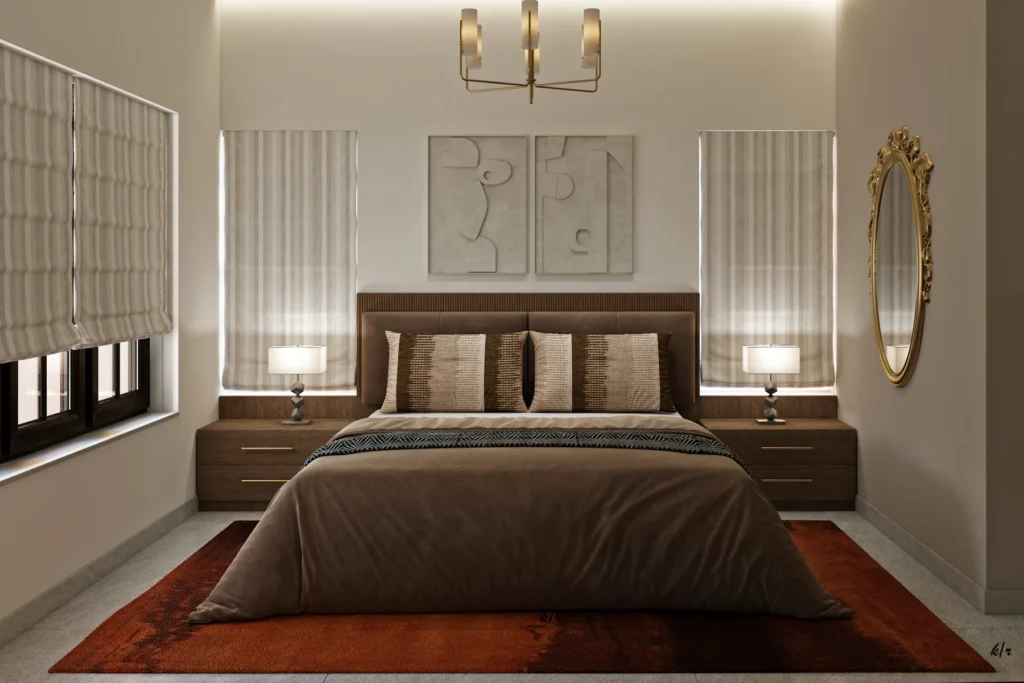
The general, even light that lets you move safely through a room: recessed downlights, ceiling fixtures, chandeliers, cove lighting and daylight. It should be soft and, ideally, dimmable.
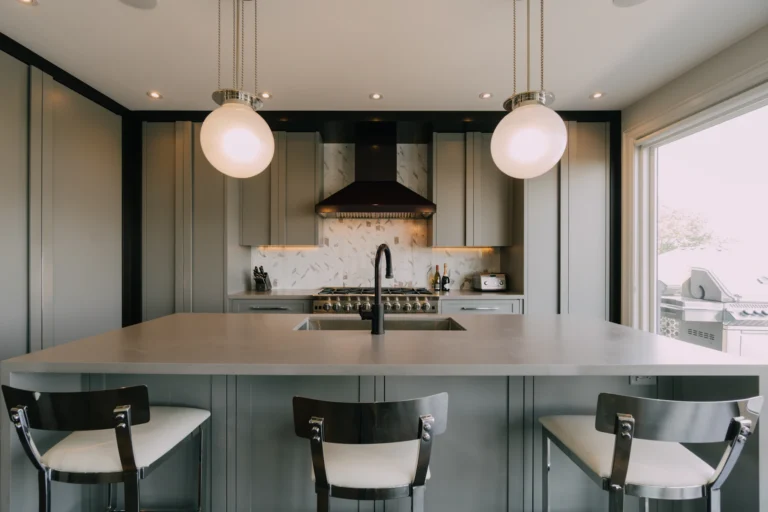
Focused light where you work: pendants over a kitchen island, under-cabinet strips, a reading lamp beside a chair, vanity lights at face height. Task light is brighter and placed to avoid shadows on the work surface.
Light that creates mood and draws the eye: picture lights, uplights on plants or stone, lamps on a sideboard, LED strips in shelving. Accent light should be roughly three times brighter than the ambient light around it to read as a highlight.
Color temperature is measured in kelvin (K). Lower numbers are warmer.
Keep one color temperature within a room. Mixing 2700K and 4000K side by side makes both look wrong.
CRI measures how accurately a light source shows colors, on a scale to 100. For homes, look for CRI 90 or higher, especially in kitchens, bathrooms and anywhere you choose clothes or makeup. Low-CRI LEDs make food, skin and finishes look dull.
Put ambient and dining lights on dimmers. The same room can be bright for cleaning and soft for dinner. Use dimmable LED bulbs and dimmers rated for LED loads to avoid flicker and buzzing.

Reviewed by
Al Sabri founded PALVILLA out of a lifelong love of homes and the artistry behind them: the line of a well-made sofa, the warmth of a brass fixture, the way good light changes a room. Based in Des Plaines, Illinois, he leads PALVILLA’s editorial direction and reviews our guides, pairing an eye for beauty with honest, research-based advice so readers can choose pieces they will still love years from now.
Researched and written by the PALVILLA Editors from manufacturer documents and owner evidence, with AI-assisted drafting and source checks. How we create our guides · Editorial standards
We use Google Analytics to understand which guides help readers most. It is off unless you allow it. Cookie settings